Vurgulamak:
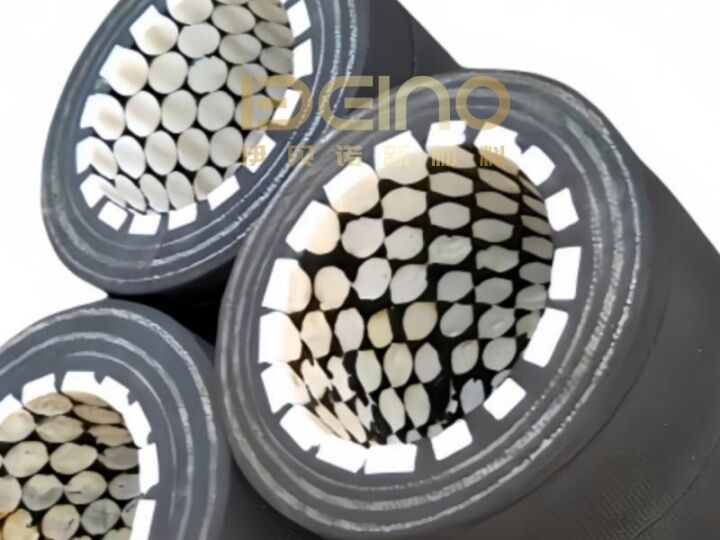
Mükemmel Aşınma Direnci Seramik Esnek Boru Hattı
, Özelleştirilebilir İç Çaplı Seramik Kaplı Kauçuk Hortum
, 5 Kat Daha Uzun Aşınma Ömrü Seramik Hortum
Çukurlama ve Kum Taşımacılığı için Keramik Esnek Boru hattı
Ürünün tanıtımı
Limanlarda, nehirlerde ve kıyı mühendislik ortamlarında kazma ve kum taşıma operasyonları, kum, çamur, çakıl ve suyun son derece abrasif karışımlarını içerir.Bu malzemeler sürekli bir erozyon akışı yaratır.Özellikle yüksek akış hızı ve basınç koşullarında.
Geleneksel kauçuk hortumlar genellikle iç aşınma nedeniyle erken bozulurken, çelik boru hatları esneklikten yoksundur ve dalga hareketi gibi dinamik yükleme koşullarında çatlamaya eğilimlidir.ekipman titreşimleri, ve boru hattı yer değiştirme.
Zorluk sadece aşınmaya dayanıklılık değil, aynı zamanda sürekli değişen çalışma koşullarında yapısal bütünlüğü ve esnekliği sürdürmektir.

Yapı Mühendisliği Tasarımı
Bu seramik esnek boru hattı çamur taşımacılığı için optimize edilmiş çok katmanlı kompozit yapıyla tasarlanmıştır:
İç katman ️ Alümina Seramik (≥95%):Çok yüksek sertlik ve kum parçacık erozyonuna direnç sağlar.
Ara bağlama katmanı:Seramik ve kauçuk arasında güçlü yapışkanlık sağlar, yüksek basınçlı akış altında delaminasyon önler.
Dış katman ️ Güçlendirilmiş Nitril Kauçuk (NBR):Esneklik, germe dayanıklılığı ve deniz suyu maruziyeti gibi çevresel streslere direnç sunar.
Bu tasarım boru hattının bükülme, titreşim ve basınç dalgalanmalarında bile performansını korumasını sağlar.
Akış Davranışı ve Kullanım Mekanizmi
Kıyıklama sistemlerinde aşınma öncelikle şu nedenlerden kaynaklanır:
♣Tüp hattı duvarlarına yüksek hızlı parçacık çarpması
♣Kırılmalarda ve bağlantı noktalarında türbülans
♣Parçacıkların çöküşü ve yeniden hızlanması
Yumuşak seramik iç yüzey, türbülans yoğunluğunu azaltır ve parçacık duvar sürtünmesini en aza indirir ve geleneksel kauçuk hortumlara kıyasla aşınma oranlarını önemli ölçüde düşürür.
Ek olarak, alümina seramik sertliği (≥ 85 HRA), keskin kum parçacıklarının neden olduğu mikro kesimi ve yüzey bozulmasını önler.
Çukurlama Projelerinde Uygulama Senaryoları
♣Bu aşınmaya dayanıklı seramik hortum yaygın olarak kullanılır:
♣Liman kazı boru hatları
♣Nehir ve kanalların tuzsuzlaştırılması projeleri
♣Kum çamur taşıma sistemleri
♣Denizaltı iyileştirme projeleri
♣Pomp boşaltma boruları
Mühendislik Avantajları
♣Kum çamurlu koşullarda uzun kullanım ömrü
♣Köçürme operasyonlarında kesinti sürelerinin azaltılması
♣Yüzen veya kara boru hatları için esnek montaj
♣Deniz suyuna ve çevresel strese karşı yüksek direnç
♣Çelik veya kauçuk boru hatlarına kıyasla daha düşük yaşam döngüsü maliyeti
Sık Sorulan Sorular
S1: Kırılma koşullarında kullanım süresi ne kadar?
A: Hizmet ömrü çamur konsantrasyonuna, parçacık büyüklüğüne ve akış hızına bağlıdır.seramik esnek boru hattı standart kauçuk hortumlardan 3-5 kat daha uzun sürebilirÖzellikle pompa çıkışları ve bükümler gibi yüksek aşınma bölümlerinde.
S2: Hortum yüksek kum konsantrasyonlu çamur çamurunu kaldırabilir mi?
C: Evet. Yüksek sertlikli alümina seramik astar (≥ 85 HRA), ağır parçacık erozyonuna karşı dirençli olarak tasarlanmıştır ve bu nedenle yüksek konsantrasyonlu kum çamur taşıma sistemleri için uygundur.
S3: Deniz veya deniz suyu ortamları için uygun mu?
C: Evet. Dış NBR kauçuk tabakası deniz suyuna, nem ve çevresel strese karşı iyi bir direnç sağlar ve kıyı ve açık deniz kazı projeleri için uygundur.
S4: Kıyıklama sistemlerinde çelik boru hattlarının yerini alabilir mi?
A: Yüksek aşınma ve esnek bölümlerde, evet. Keramik hortumlar aşınma ve titreşimlerin kritik faktör olduğu alanlarda çelik boru hatlarının yerini almak için idealdir.Çelik borular hala maliyetleri optimize etmek için uzun düz bölümler için kullanılabilirken.
S5: Geleneksel hortumların tipik arıza noktaları nelerdir?
A: Geleneksel kauçuk hortumlar tipik olarak iç duvar aşınması, delaminasyon veya basınç dalgalanmaları altında çatlama nedeniyle başarısız olur.
S6: Çelik borularla karşılaştırıldığında montaj karmaşık mı?
Hayır, seramik esnek boru hattı esnekliği nedeniyle kurulumu daha kolaydır. Karmaşık hizalama gerektirmeden düz olmayan araziye ve dinamik ortamlara adapte olabilir.
S7: Doğru hortum boyutunu nasıl seçersiniz?
Seçim akış hızını, gübre konsantrasyonunu, parçacık boyutunu ve sistem basıncını göz önünde bulundurmalıdır. Mühendislik ekibimiz proje verilerine dayanarak özelleştirilmiş boyut önerileri sağlayabilir.
S8: Seramik astar bükülürken çatlıyor mu?Hayır, hortum segmentli bir seramik yapısı ve elastik kauçuk desteği ile tasarlanmıştır, bu da kontrol edilen büküm koşullarında bütünlüğünü korumasını sağlar.

 Mesajınız 20-3.000 karakter arasında olmalıdır!